
A RiverComing Back
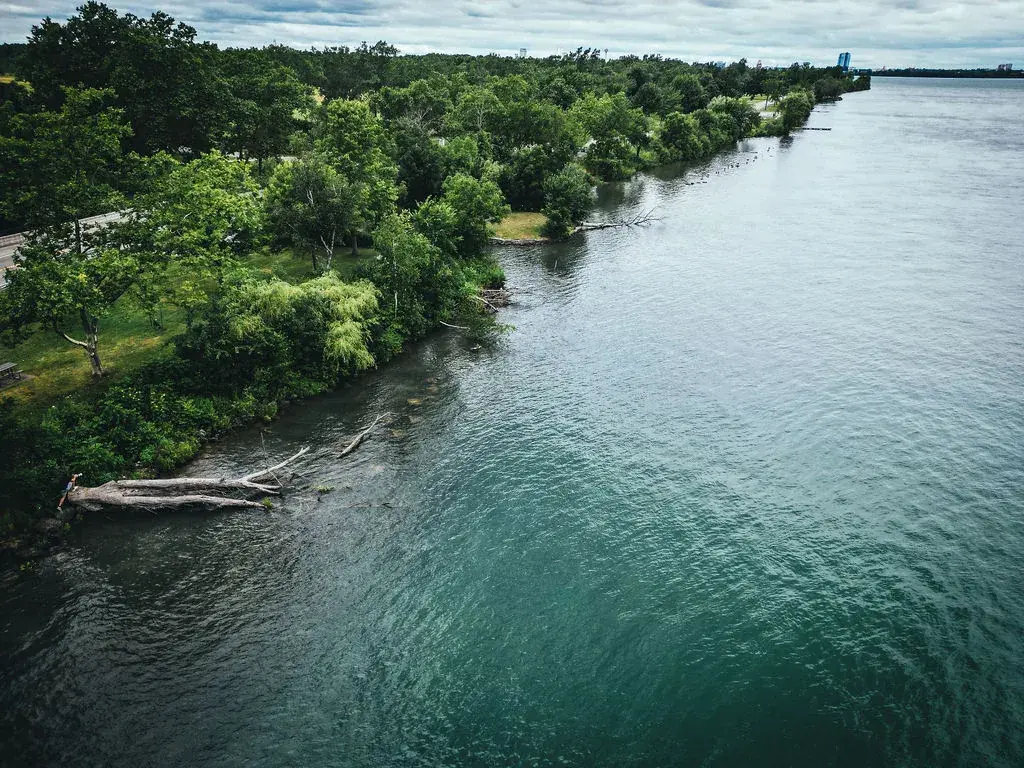
Once one of the most polluted places in North America. Wetlands rebuilt. Shorelines restored. An ecosystem recovering. There’s more to the Niagara River story than you might know. Say hello to the Niagara River.
Track the progressThe plan
What is the Niagara River Remedial Action Plan?
In the early part of the 20th century, the Niagara River was considered one of the most polluted places in North America.
In 1972, Canada and the United States signed the first Great Lakes Water Quality Agreement to clean up the Great Lakes, including the Niagara River. In 1987, 43 areas of concern were identified in Canada and the United States that required locally coordinated remedial action plans to address a total of 14 possible ecosystem impairments. The Niagara River, a bi-national connecting channel, has 2 separate but complementary plans, one in Canada and one in the U.S.
Over the past 50 years, major clean-up efforts have reduced discharges of pollution into the river, cleaned up contaminated sediment in its tributaries, and protected and restored critical habitats along the 58-km river.
One River.
Two Countries.
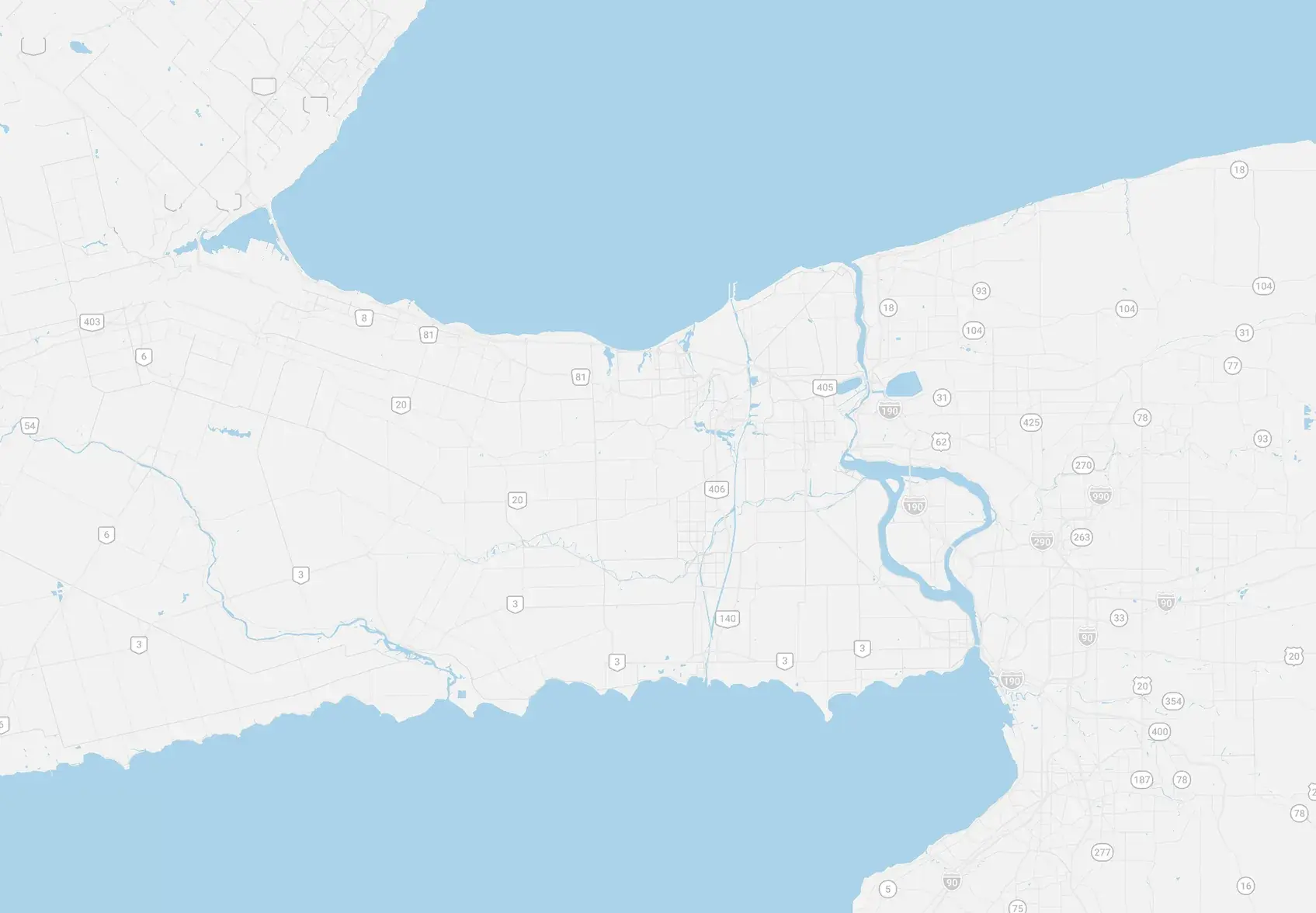
The Niagara River runs 58 km from Lake Erie to Lake Ontario, forming the border between Canada and the United States.
 Click the pins to see what is happening where.
What is left to do
Current projects
The goal of the Remedial Action Plan is to complete actions that will restore the impaired beneficial uses. Three impaired indicators remain, each with a project behind it.
Degradation of benthos
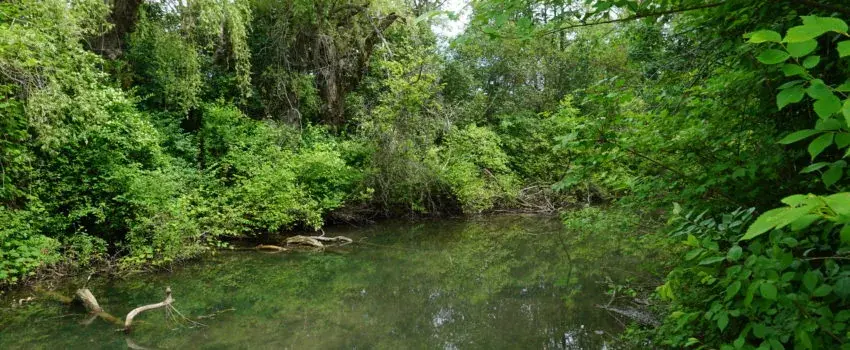
Lyons Creek East Sediment Project
The last of 14 contaminated sediment sites identified for cleanup under the Remedial Action Plan. The next phase involves studies to design and plan removal of contaminated sediment.
View project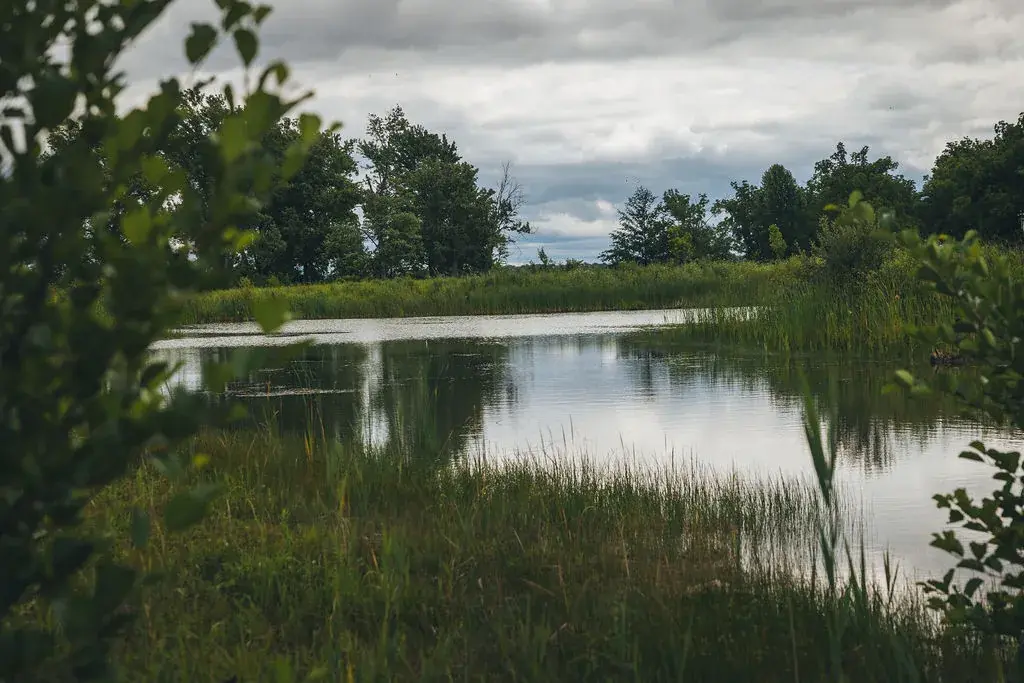
Loss of fish and wildlife habitat
Bi-national Habitat Restoration
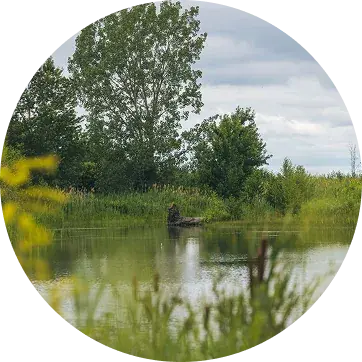
Since 1994, partners on both sides of the river have completed 44 habitat protection and improvement projects. All 7 coastal wetland projects in Canada were complete by 2022.
View project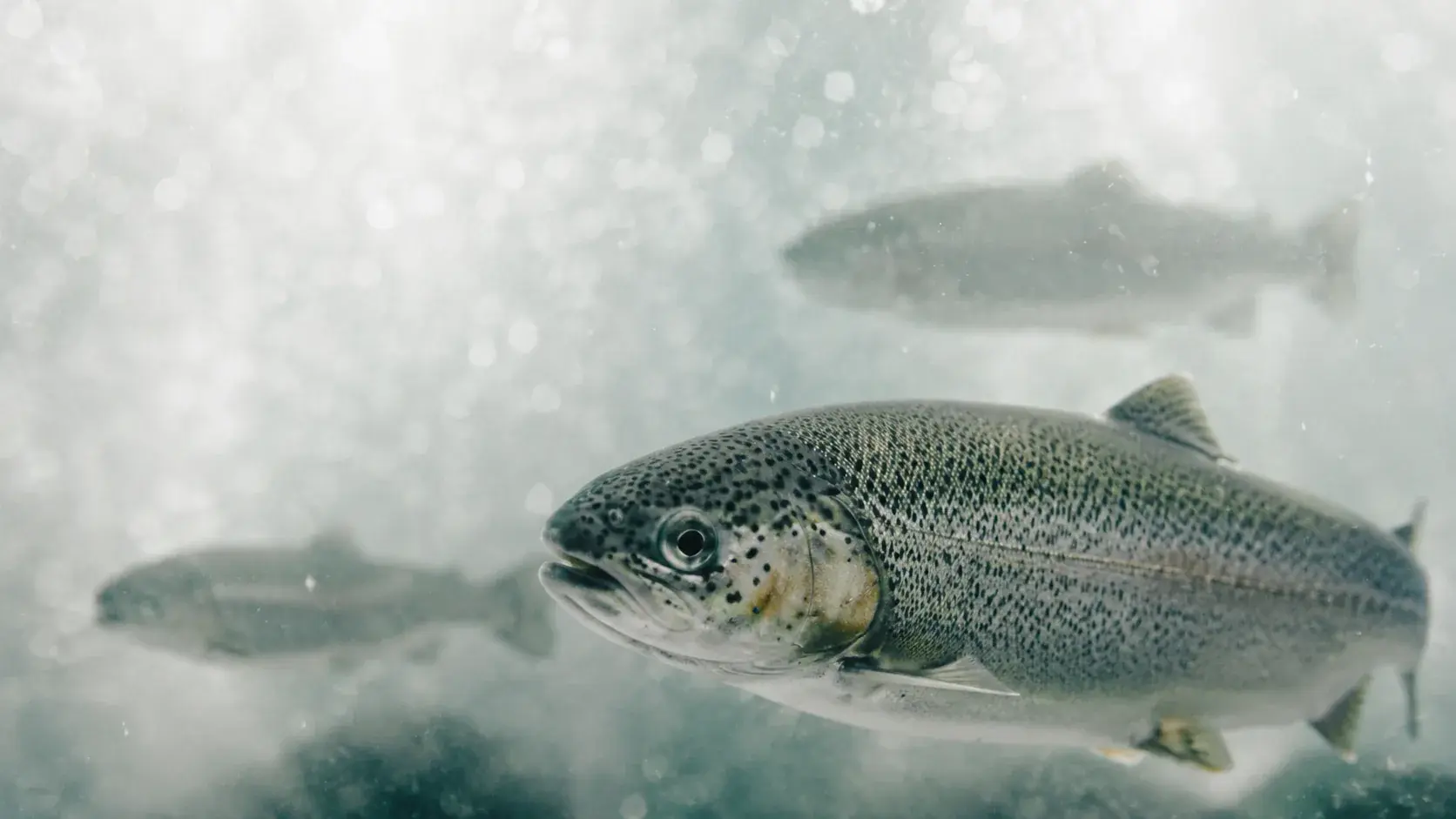
Restrictions on fish consumption
Fish Consumption
Advisories
Contaminants in fish tissue are monitored and consumption advice is shared publicly. Over 430 people took part in recent Niagara River angler surveys.
View project