Progress & Projects
Fish Consumption
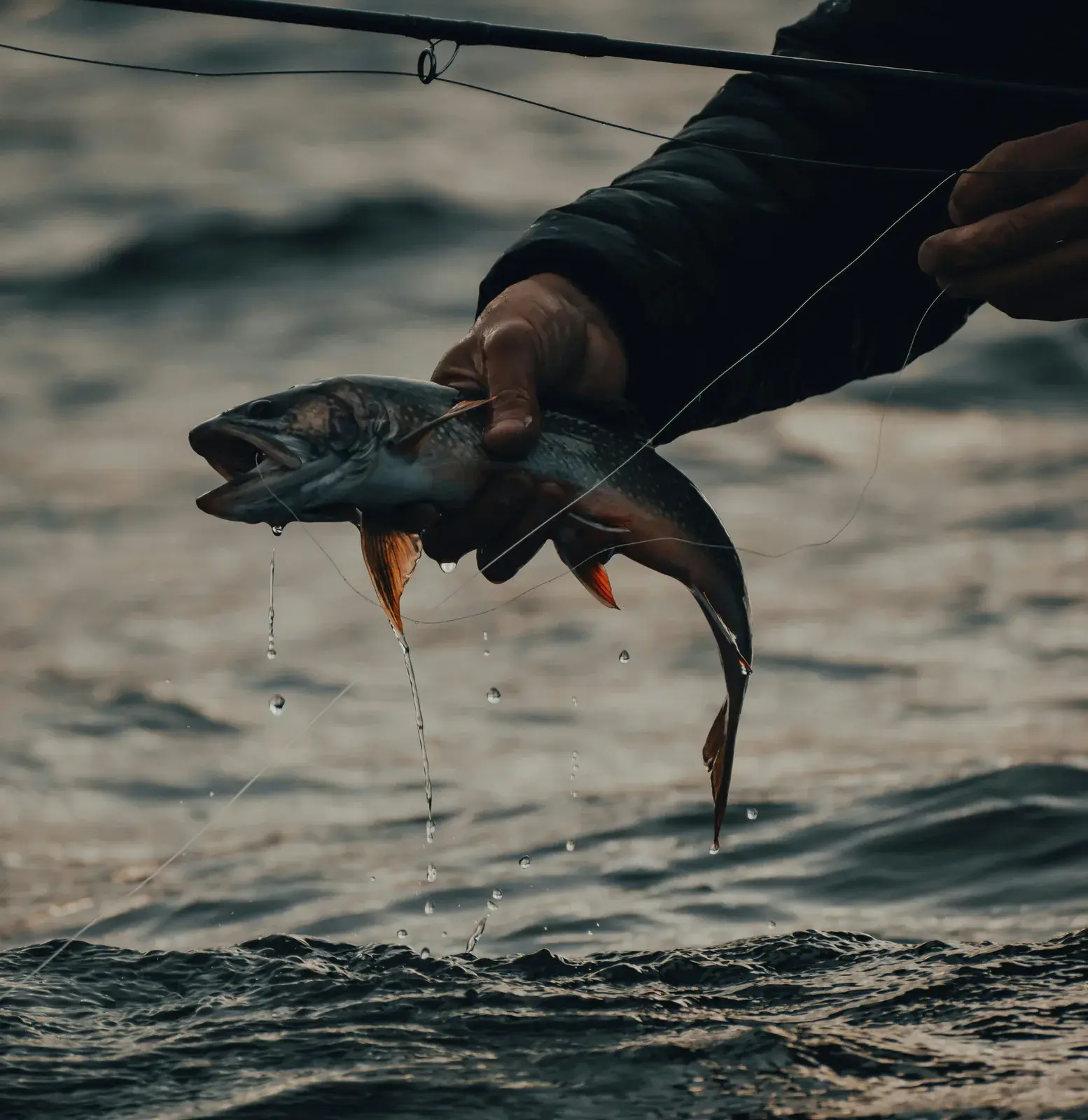
The Restrictions on Fish Consumption BUI in the Niagara River and other Areas of Concern (AOCs) assesses whether legacy contaminants are driving fish consumption advisories.
While not specifically targeted to fish consumption restrictions or fish tissue concentrations, efforts of the NRTMP have been successful at reducing the amount of toxins found in Niagara River waters, thereby reducing fish exposure to them.
Contaminants in fish tissues are monitored, and consumption advice is shared publicly through the province-wide Fish Contaminant Monitoring Program led by the Ontario Ministry of Environment, Conservation, and Parks (MECP). The Guide to Eating Ontario Fish (the Guide) is a regularly updated resource that provides advice about fish consumption for lakes and rivers across Ontario, including the Great Lakes and its connecting channels, such as the Niagara River. The advice is grouped by geographic area, fish species, and divided based on the population of human consumers: general and sensitive (i.e., children and those who can and are of child-bearing age).
Fish consumption tables for the Niagara River are separated into the upper reach (Lake Erie to above Niagara Falls) and the lower reach (waters from below Niagara Falls to Lake Ontario).
- Niagara River (Upper reach) consumption advisory table
- Niagara River (Lower reach) consumption advisory table
Within the Niagara River Area of Concern (AOC), fish consumption restrictions linked to legacy contaminants are driven by polychlorinated biphenyls (PCBs), mercury, and dioxins/furans. As per the Guide (June 2026), PCBs contribute to over 76% of advisories and 95% of advisories in the Upper and Lower reaches of the river, respectively. Though mercury and dioxins/furans are connected to some consumption advisories, mercury is a global pollutant, coming mostly from atmospheric deposition (i.e., it has no known local sources) and dioxins/furans are found only in specific species.
Impairment
The fish consumption beneficial use has been ‘Impaired’ for the Canadian side of the Niagara River since the completion of the Remedial Action Plan (RAP) Stage 1 Report (1993). While contaminants in the Niagara River have declined over the past 30 years, the BUI remains impaired because certain chemicals limit consumption of certain species and sizes of fish (refer to Guide to Eating Ontario Fish: Lower Niagara River and Upper Niagara River).
Work on the Restrictions on Fish Consumption BUI is ongoing and in recent years has included:
- Conducting online and in-person Niagara River angler surveys, with over 430 people participating. Data and summary reports were shared by local First Nations communities, and all data supported the identification of fish species being consumed from the Niagara River. Information about fish consumption behaviours, perceptions about pollution, and angler demographics was also collected.
- A comprehensive outreach and education “Eat Safe Fish” campaign was created to promote and incentivize the angler survey and help people understand which fish are best to eat from the Niagara River.
- Annual ‘Learn to Fish – Niagara River’ events raise public awareness of fishing best practices and safety, promote fishing along the shore of the river, and share more information about the Niagara River RAP.
We are currently gathering information and assessing the status of the BUI. More information on the delisting criteria and remedial actions can be found in the Delisting Strategy.