

Progress & Projects
Track the Progress
Progress to restore the Niagara River’s water quality and ecosystem health over time
-
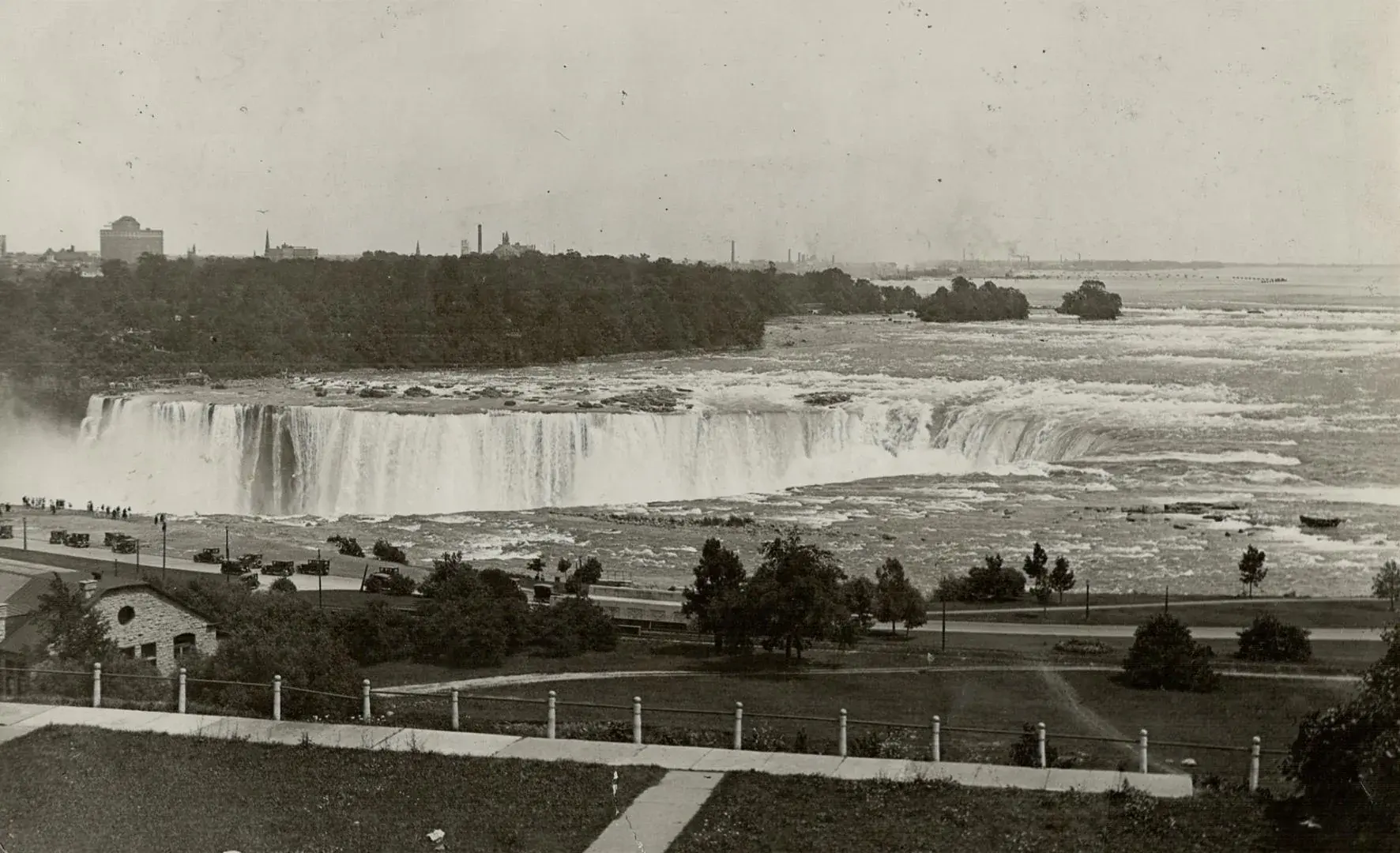
1985 to 1989
- Niagara River identified as Great Lakes AOC
- Creation of Niagara River RAP partnership
-
1990 to 1999
- Problem identification
- Contaminated sediment sites prioritized
- 10,000 m³ contaminated sediment removed from Welland Reef site
- 8 BUIs impaired, 4 not impaired, 2 required further assessment
-
2000 to 2009
- Implementation plan updated
- 3 impairments removed (fish tumours, restrictions on dredging, bird reproduction)
- Study shows 50% reduction of priority toxic chemicals in Niagara River
-
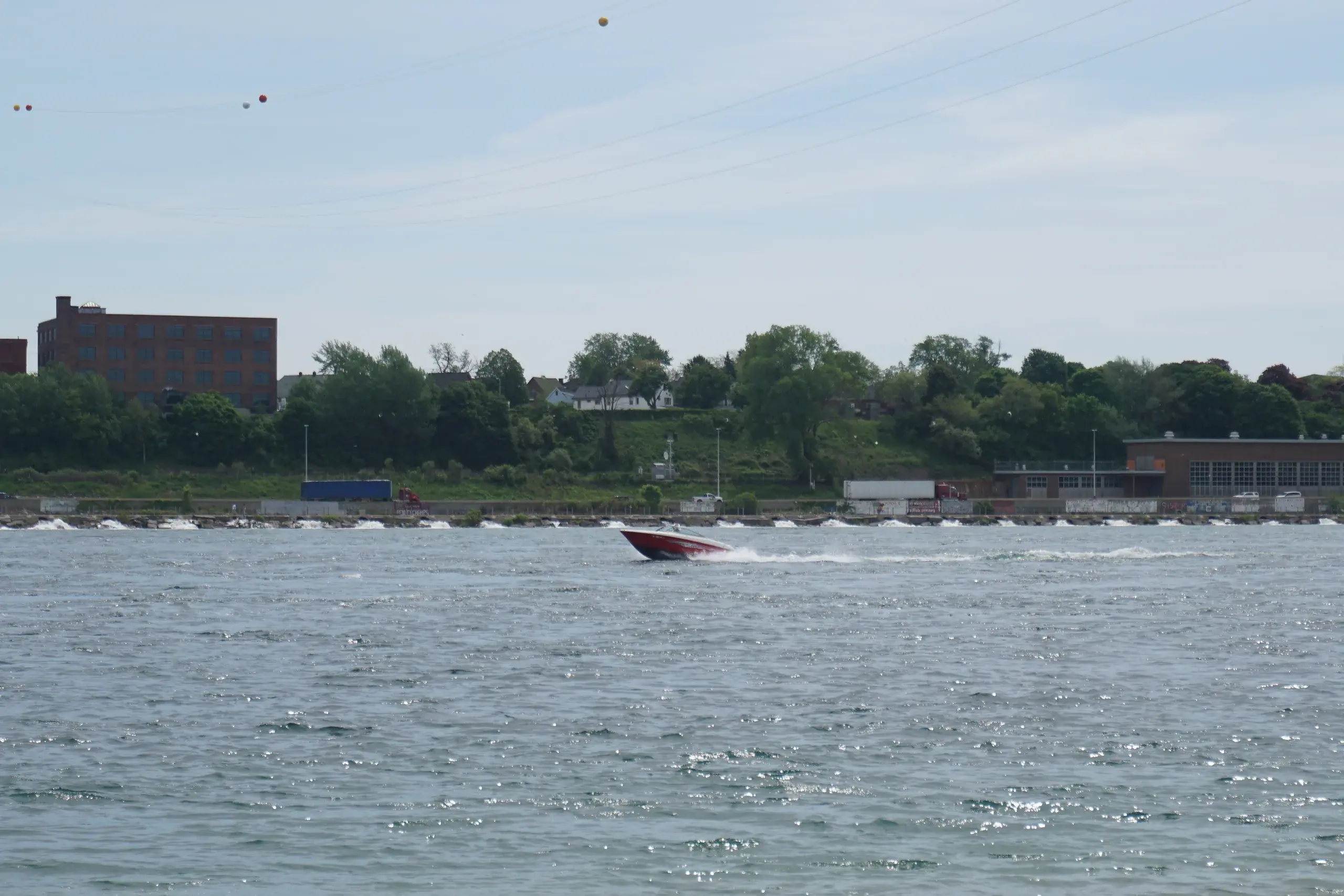
2010 to 2019
- 2 impairments removed (algae, plankton)
- Monitored natural recovery at last contaminated sediment site
- 4 coastal wetlands created along upper Niagara River
- 5-year Delisting Strategy implemented outlining actions to address remaining 5 BUIs
-
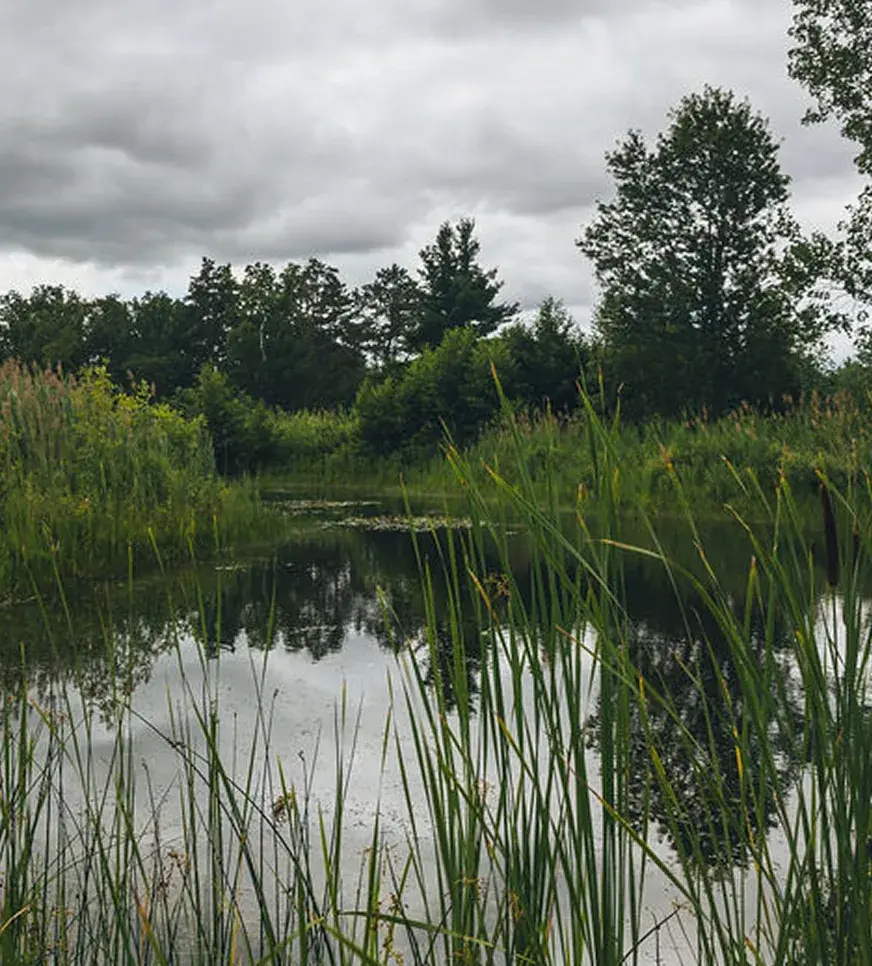
2020 to 2026
- 3 more coastal wetlands created along upper Niagara River, including inland marsh at Gonder’s Flats
- 2 impairments removed (beach closings, fish and wildlife populations)
- New 5-year Delisting Strategy completed outlining actions to address remaining 3 BUIs
*BUI = Beneficial Use Impairment, defined as an interference to human, ecosystem, or economic benefits provided by water. All Great Lakes’ Areas of Concern (AOCs) have 14 possible BUIs that need to be addressed through local Remedial Action Plans (RAPs).
Beneficial Use Impairments
The Niagara River offers several ecological, recreational, and economic beneficial water uses including power generation, tourism, recreation, drinking water, and animal habitat. When something interferes with an economic, human health, or environmental use of the water, it’s called a beneficial use impairment or BUI. Under the GLWQA, Annex 1 – AOCs, there are 14 possible BUIs that all AOCs are required to assess at the onset of a RAP program. If a BUI is deemed impaired, actions to address the impairment are determined in collaboration with partners, technical experts, Indigenous Communities, interested groups, and members of the public. When taken together, the status of the BUIs inform the overall condition of the AOC.
In the 1993 Stage 1 Niagara River RAP Report and 1995 Stage 1 Niagara River RAP Update Report, the 14 BUIs were designated as follows: eight impaired, two required further assessment, and four not impaired. The graphic below summarizes which BUIs were in each category.
Today, only 3 BUIs remain impaired, and the timeline summarizing progress demonstrates the dedication and significant work that has contributed to the success of the Niagara River RAP program in Canada.
What’s Left to Do – Current Projects
The goal of the Niagara River RAP is to complete actions that will restore the impaired beneficial uses. Once the required actions are complete for an individual BUI, it is assessed against locally-defined goals. If a status assessment shows that the criteria have been met, then the RAP initiates a re-designation process to change the status of the BUI (i.e., from impaired to not impaired).
In 2026, a Niagara River Delisting Strategy was completed. The Delisting Strategy is a public document and contains the most up-to-date summary of information about the Niagara River (Canadian) remaining BUIs. The document serves as an implementation plan and imparts guidance on BUI removal through the specific delisting criteria and recommended actions for lead organization(s) involved in the RAP for each of the remaining impaired beneficial uses.
The Niagara River (Canadian) RAP currently has 3 impaired BUIs, associated with the following projects
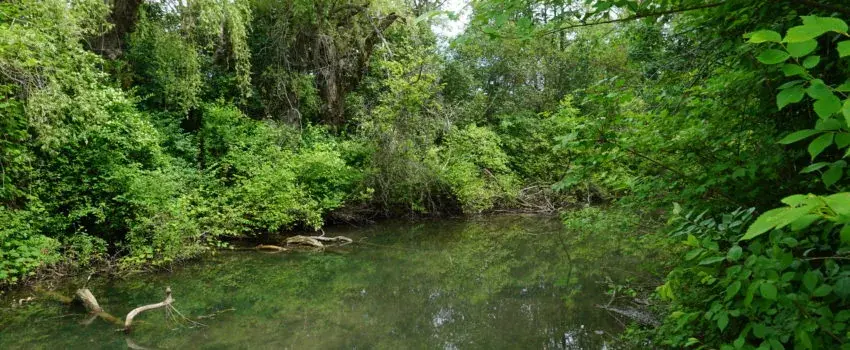
Degradation of benthos · BUI #6
Lyons Creek East Sediment Project
The last of 14 contaminated sediment sites identified for cleanup under the RAP.
View project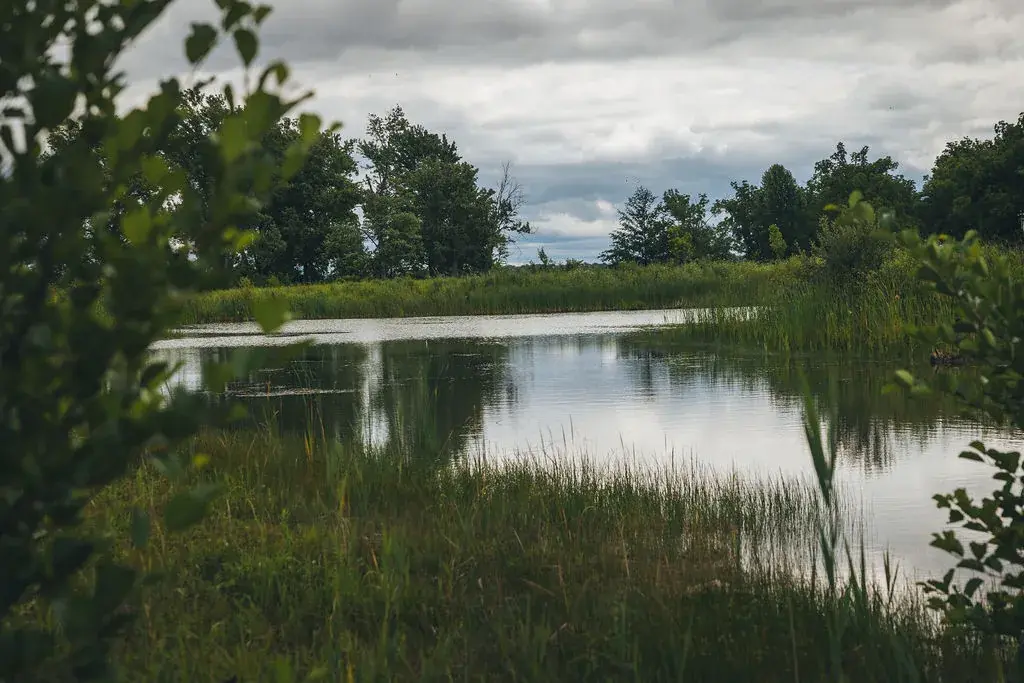
Loss of fish & wildlife habitat · BUI #14
Bi-national Habitat Restoration
Coastal wetlands, shorelines and inland marsh created and restored along the upper Niagara River.
View project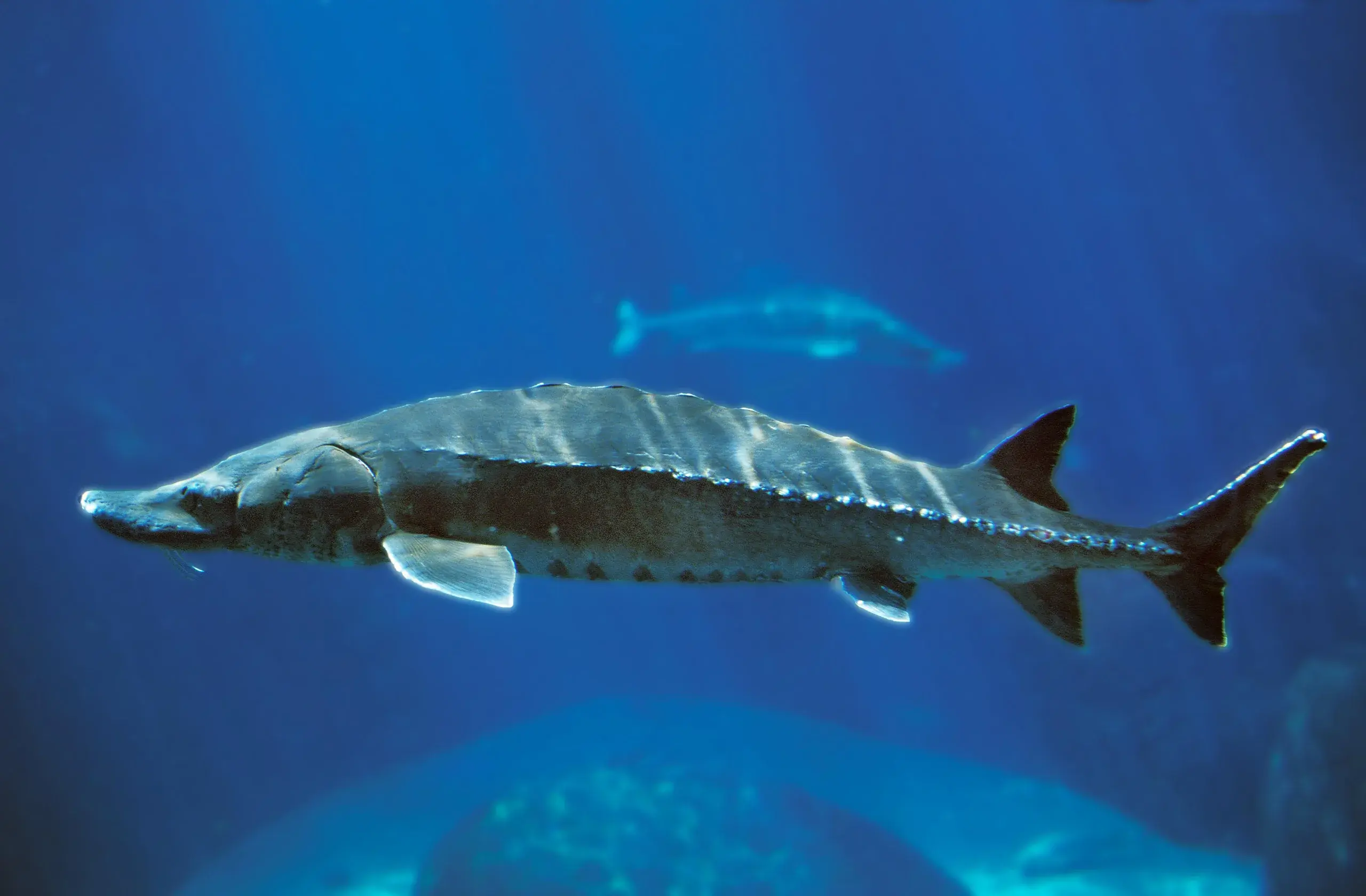
Restrictions on fish consumption · BUI #1
Fish Consumption
Monitoring contaminant levels in fish and the advisories that guide safe consumption.
View project